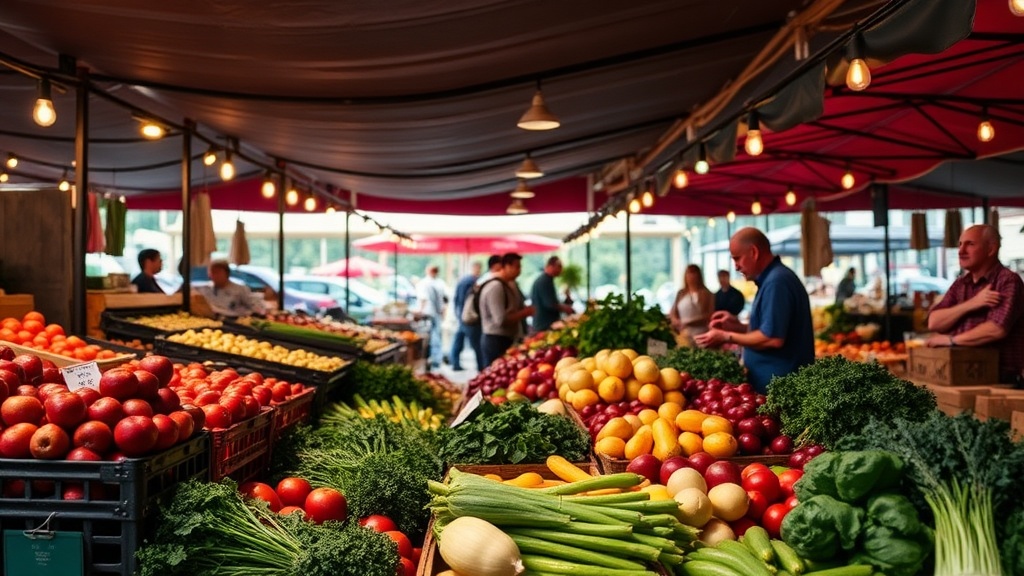
Finding the Best Local Produce at the Saint-Georges Farmers Market

This guide provides specific strategies for identifying high-quality seasonal produce, timing your visits to the Saint-Georges farmers market, and interacting with local producers to get the best value. You'll learn how to spot the freshest seasonal crops, what to look for in local Quebec dairy and meats, and how to build a shopping routine that supports our local economy.
When is the Best Time to Visit the Market?
The best time to visit the Saint-Georges farmers market is early in the morning, ideally between 8:00 AM and 10:00 AM, to secure the widest variety of goods. Most producers arrive at the break of dawn to set up their stalls, meaning the most vibrant vegetables and the most sought-after items—like heirloom tomatoes or fresh sourdough—are often gone by midday.
If you're someone who prefers a slower pace, arriving later in the season or later in the morning might even result in better deals. Some vendors offer discounts on perishable items toward the end of their market hours to avoid hauling heavy stock back to the farm. However, you're essentially gambling with your selection at that point.
Keep in mind that seasonality in the Chaudière-Appalaches region dictates what you'll find. You won't see strawberries in late October, and you won't see heavy root vegetables in early May. It's all about the rhythm of the local soil.
Pro-tip: Keep an eye on the weather. A heavy rainstorm in the Beauce region can sometimes lead to reduced vendor presence, so check the local forecast or the market's social media page before making the trip.
How Do I Identify the Freshest Produce?
You identify the freshest produce by looking for vibrant color, firm textures, and seasonal cues rather than relying on labels. Freshness is a sensory experience—look, smell, and touch (if the vendor allows).
When you're inspecting vegetables, look for the following signs of quality:
- Leafy Greens: They should be crisp and bright green. If the edges are yellowing or wilting, they've been sitting out too long.
- Root Vegetables: Carrots and beets should feel heavy for their size and have firm, unblem loathed skin.
- Berries: Look for deep, consistent color. Avoid any containers with juices pooling at the bottom, as this indicates bruising or mold.
- Aromatics: If you're buying onions or garlic, the skins should be dry and papery, not damp or soft.
Don't be afraid to ask the farmer when the item was harvested. A good producer will be happy to tell you, "I picked these carrots yesterday afternoon." This level of transparency is what separates a local market from a standard grocery store chain.
For those interested in the science of food-to-table movements, the farm-to-table movement provides a great background on why these fresh connections matter for nutrition and local economies.
What Should I Bring to the Market?
You should bring reusable bags, a sturdy basket, and plenty of small change or a mobile payment method. Being prepared makes the process much smoother and helps reduce the environmental footprint of your shopping trip.
I always recommend a dedicated "heavy duty" bag for items like melons or heavy tubers. There's nothing worse than a thin plastic bag snapping under the weight of a few potatoes. A wicker basket is also a classic choice—it's practical and looks much better in your kitchen once you get home.
A Quick Checklist:
- Canvas or cloth bags (for veggies and bread).
- A small cooler bag (if you're buying cheese or meat).
- Cash (some smaller vendors may have limited digital payment options).
- A reusable water bottle (it can get warm while you wander).
If you're planning to grab a snack or a coffee while you browse, you might want to check out local coffee spots in Saint-Georges to see how the local cafe culture complements the market experience.
How Much Does Local Produce Cost Compared to Grocery Stores?
Local produce prices vary based on seasonality and scarcity, but you can often find better value when buying in bulk or during peak harvest. While a single organic strawberry might cost more than a generic one at a big-box retailer, the nutritional density and flavor often justify the price gap.
It's helpful to understand the price structure of what you're buying. Here is a general comparison of how local market pricing typically functions compared to traditional retail:
| Item Type | Local Market Pricing | Supermarket Pricing | Value Note |
|---|---|---|---|
| Seasonal Fruit | Higher during off-season; low during peak. | Consistent/Moderate. | Local is much cheaper in July. |
| Artisan Cheese | Premium/Specialized. | Standard/Mass-produced. | Local has superior flavor. |
| Leafy Greens | Highly variable by season. | Very stable. | Buy local when in season. |
| Eggs/Dairy | Premium/Direct from farm. | Low/Budget. | Local is often more nutrient-dense. |
When you buy a dozen eggs directly from a producer, you're paying for the quality of the feed and the care of the livestock. It's a different value proposition than buying a carton of mass-produced eggs. You're paying for the story and the quality, not just the calories.
The Association des producteurs de la Beauce and other regional agricultural groups often provide data on why local food systems are vital for our regional food security. Supporting these producers keeps the money circulating within the Chaudière-Appalaches region, which is a way to invest in our own community's future.
One thing to watch out for is "hidden costs." If you buy highly perishable items like fresh raspberries, you'll need to use them quickly. Don't buy a massive quantity of something delicate unless you have a plan to eat it or preserve it immediately.
If you're looking for a way to preserve your bounty, many locals use traditional Quebec methods like canning or freezing. It's a great way to make sure those high-quality summer harvests last through the winter months.
Don't forget to check the labels on any prepared foods or artisanal goods. Even at a farmers market, it's smart to be aware of any dietary restrictions or specific ingredient sources, especially when buying honey or preserves.
Steps
- 1
Arrive Early for the Best Selection
- 2
Check for Seasonal Signage
- 3
Ask Producers About Harvest Times
- 4
Bring Your Own Reusable Bags